4n+2 Pi Electrons
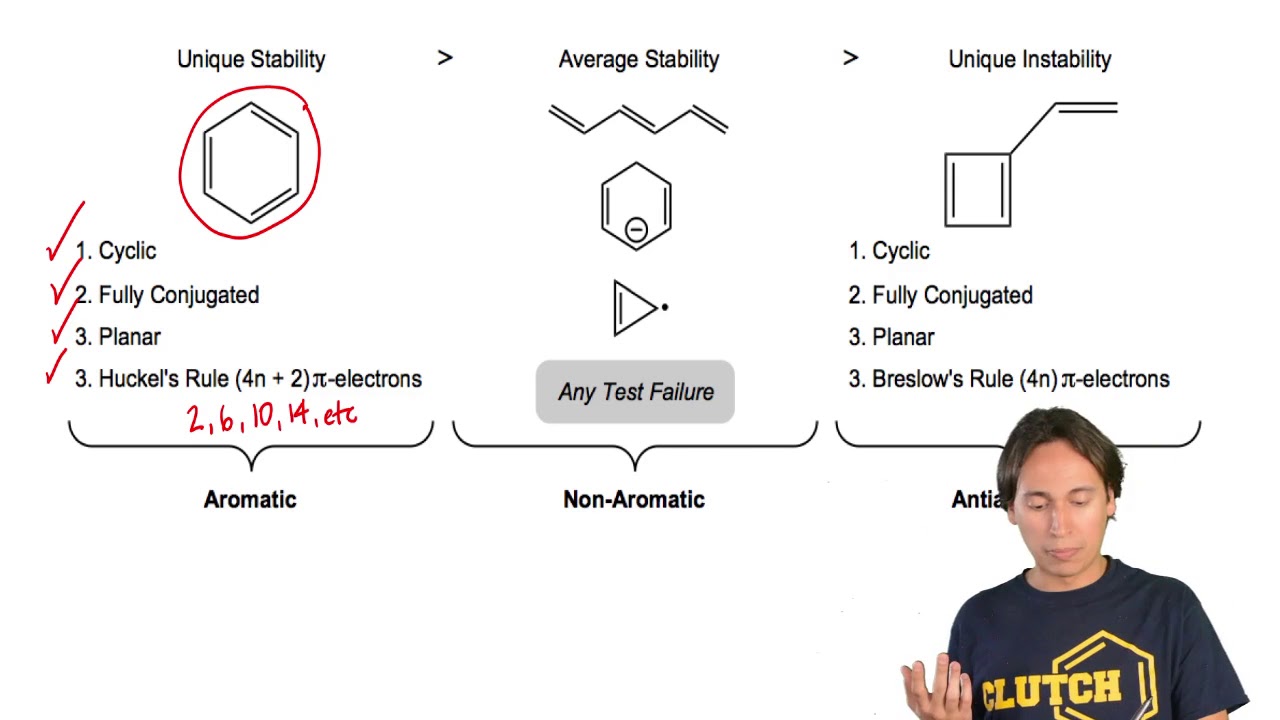
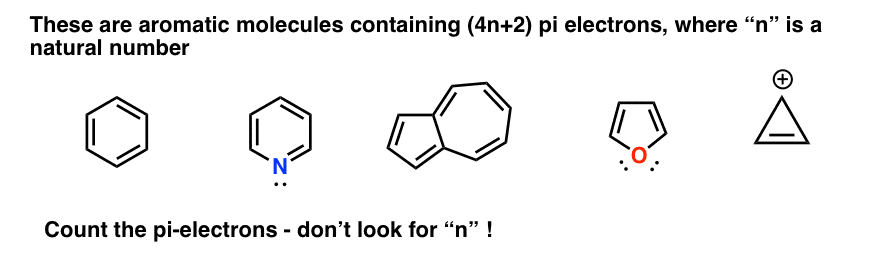
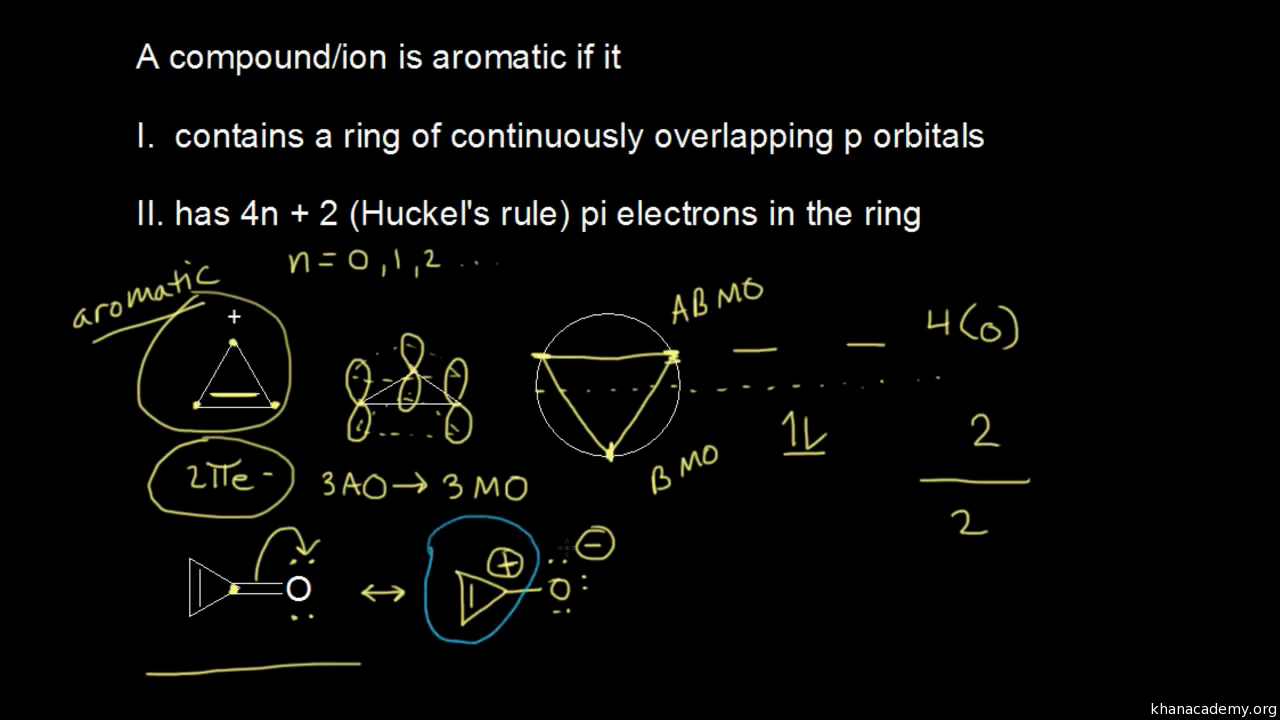
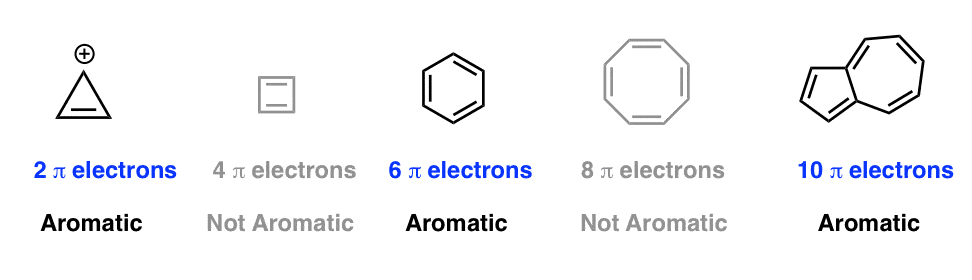
Hückel (4n + 2) rule Monocyclic planar (or almost planar) systems of trigonally (or sometimes digonally) hybridized atoms that contain (4n + 2) π-electrons (where n is a non-negative integer) will exhibit aromatic character.

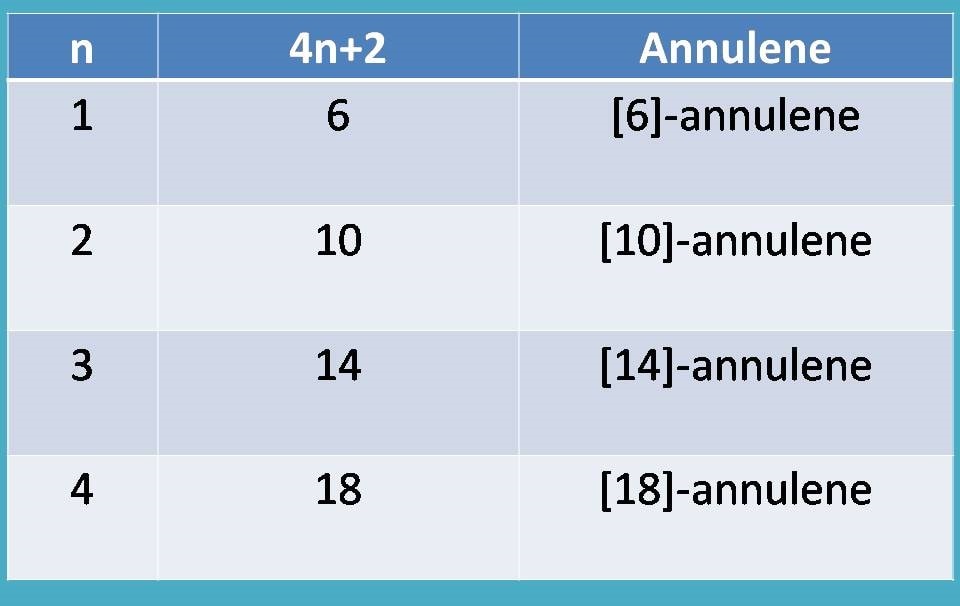
4n+2 pi electrons. The pi electron count is defined by the series of numbers generated from 4n+2 where n = zero or any positive integer (ie, n = 0, 1, 2, etc.). (This unusual instability is called “anti-aromaticity”. Among P, Q, R and S, the aromatic compounds(s) is/are (A) P (B) Q (C) R (D) S.
HÜCKEL'S RULE So, imidazole has two π electrons from the left and right double bonds each. Cyclooctatetraene is a non -aromatic compound and does not possess aromaticity. II = pyrimidine.
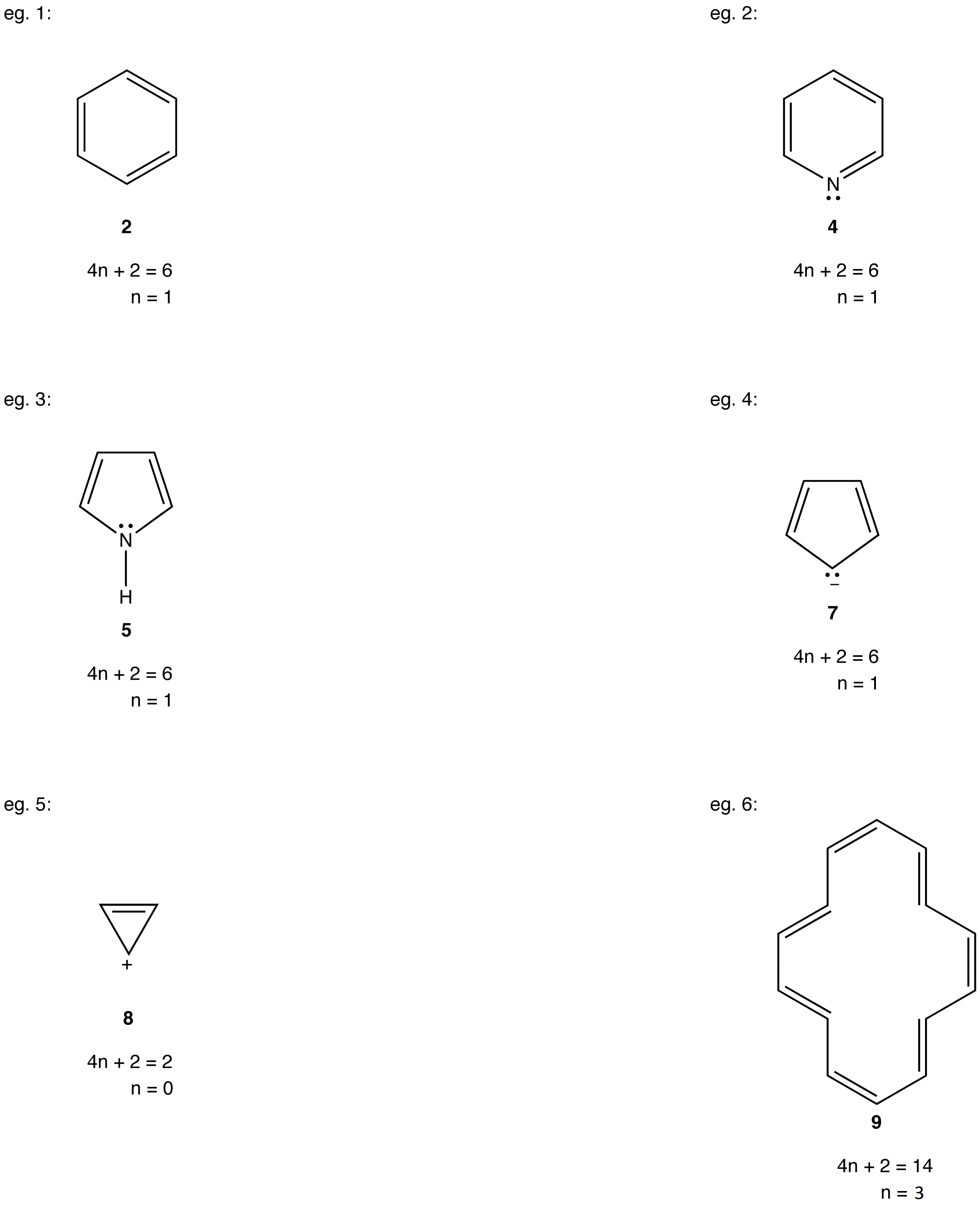
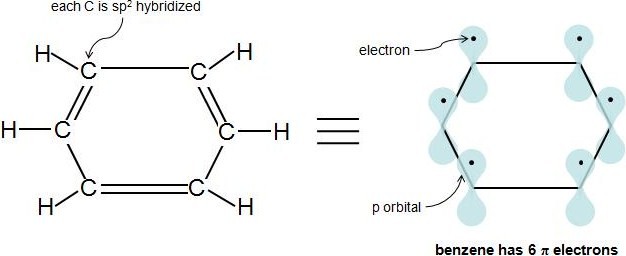
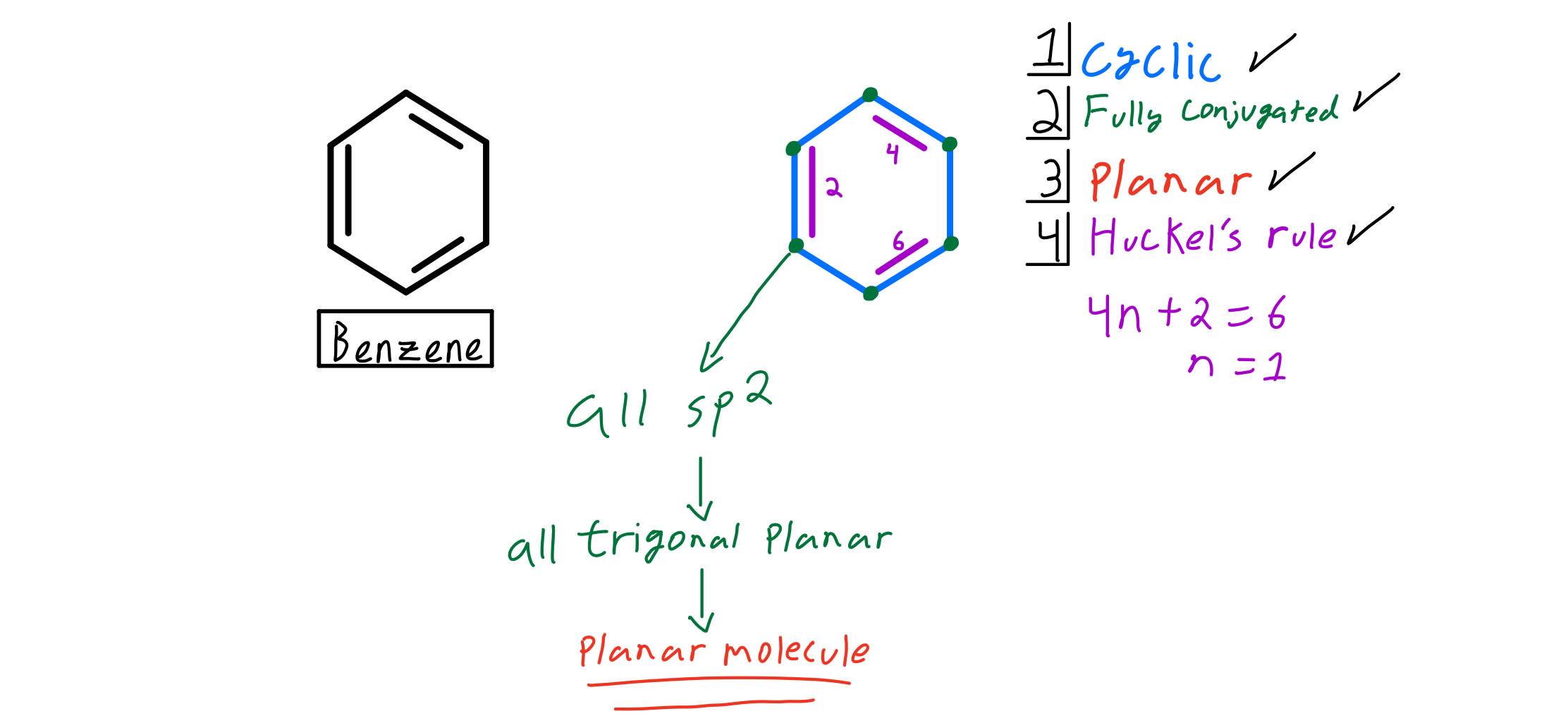
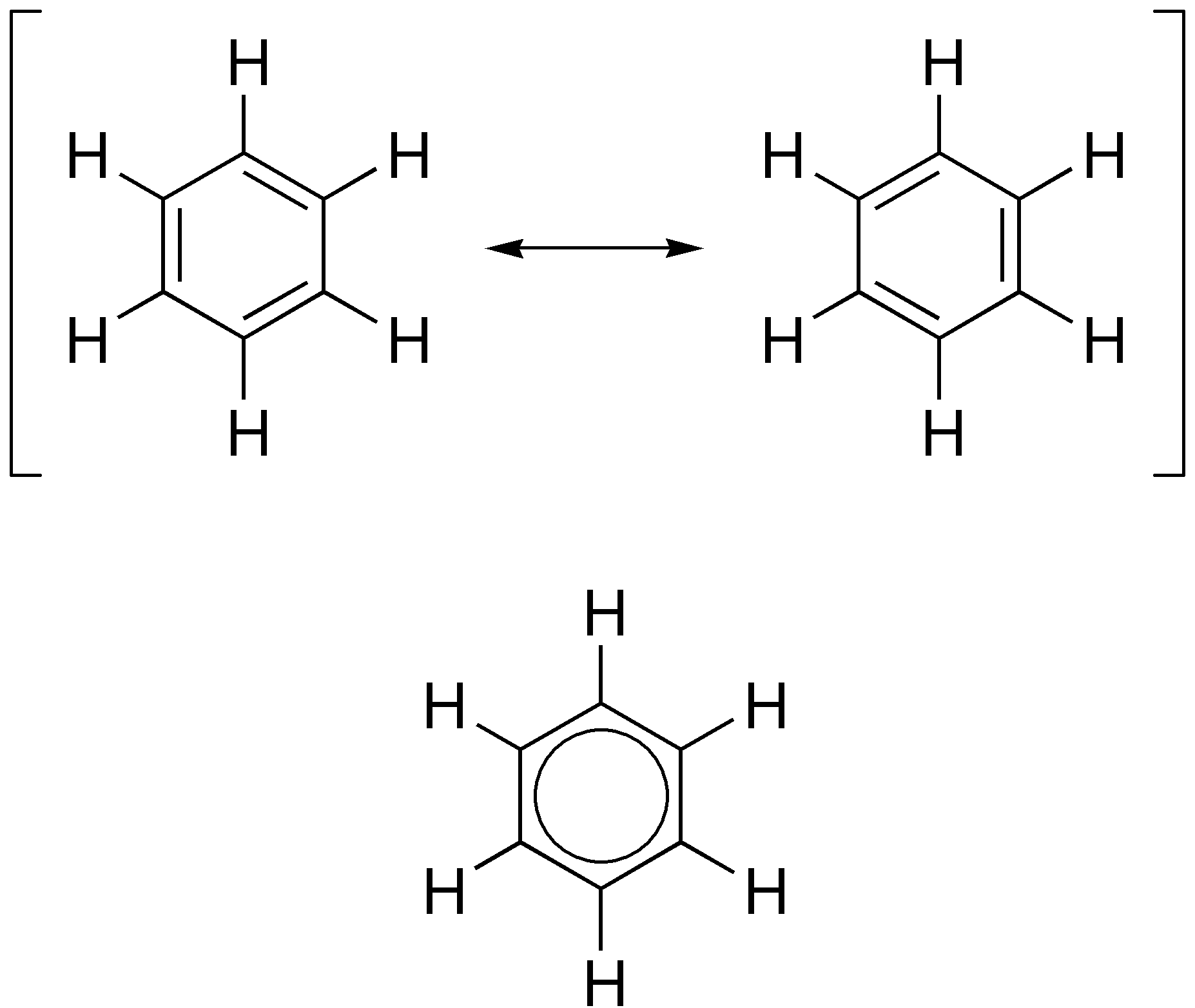
Check Answer and Solution for above question from Chemistry in Aldehydes Ketones and Carboxylic Acids - Tardigrade. Aromatic, because 4n + 2 = 6 pi electrons in the ring (with n = 1), planar, fully conjugated all around, and cyclic. In benzene (which can be written in its Kekulé form of three single and three double bonds, cyclohexatriene) there are 6 pi-electrons (i.e 4n+2 where n=1) so it is aromatic and planar with all bond angles being 1.
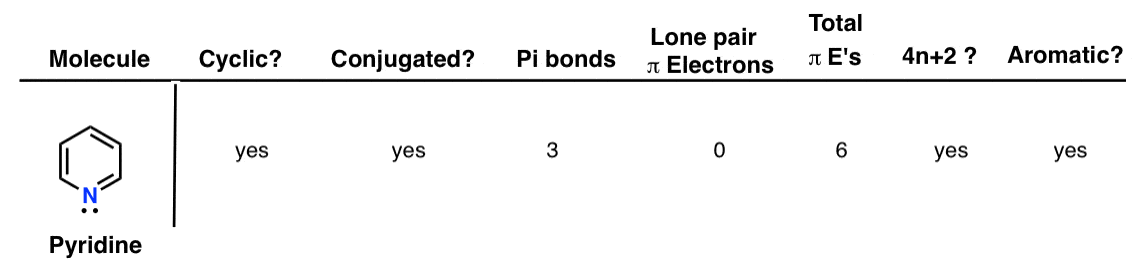
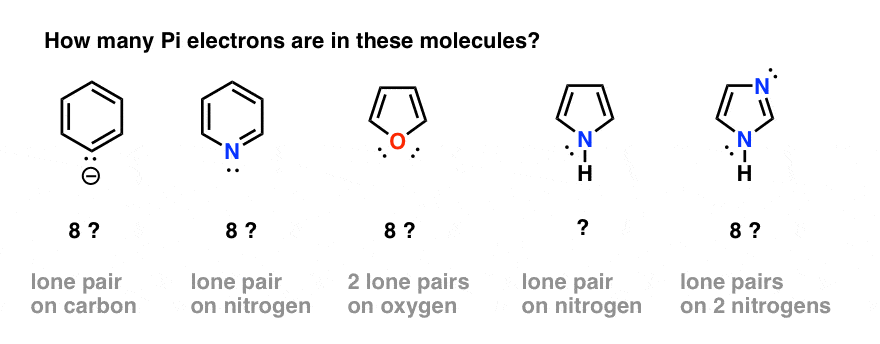
Also, as it turns out, the lone pair on the bottom nitrogen IS within the ring, making it 6 electrons. This rule would come to be known as Hückel's Rule. In 1931, German chemist and physicist Erich Hückel proposed a theory to help determine if a planar ring molecule would have aromatic properties.
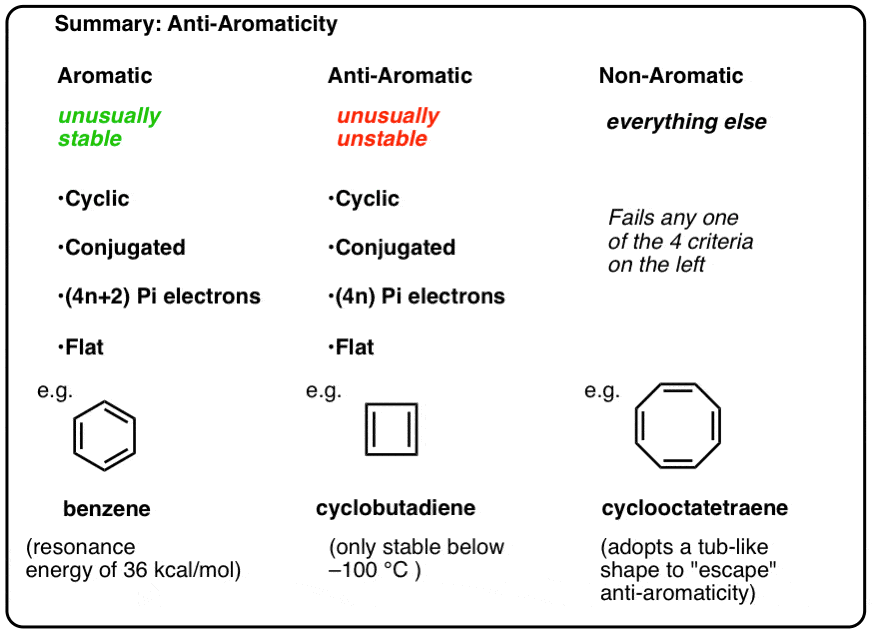
So while aromatic molecules have (4n+2) pi electrons, the “rule” for anti aromatic molecules is (4n). The 3 C=C in benzene mean that we have 3 pairs of π electrons = 6 π electrons = a 4n+2 number where n=1. * YES NO Is This Compound Aromatic?* YES NO.
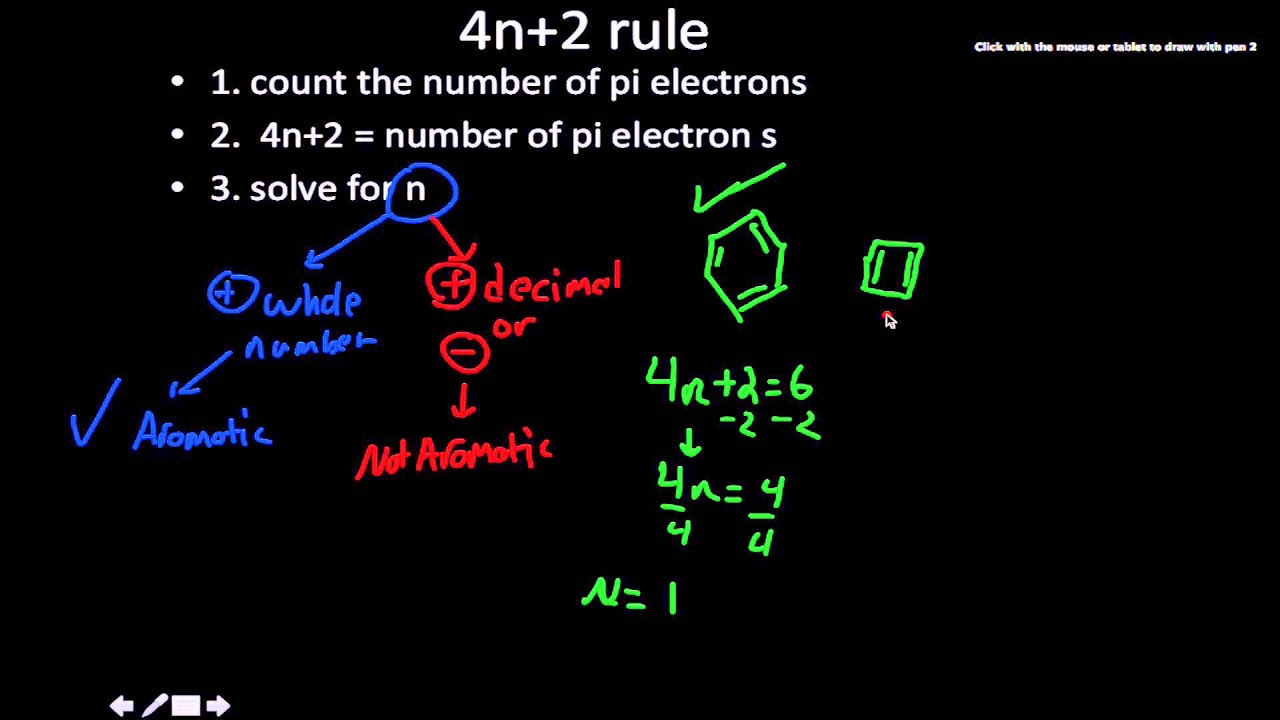
Therefore n must be a whole number that satisfies this equation 4n+2=x, where x = the number of electrons in the pi bonds. That series of numbers pertains to a mathematical sequence 4n+2. Aromatic molecules are cyclic, conjugated, have (4n+2) pi electrons, and are.
Hückel's rule Criterion of possessing 4n + 2 pi electrons;. What is N in the 4n+2 rule?. Resonating electrons include both pi electrons and lone pairs.
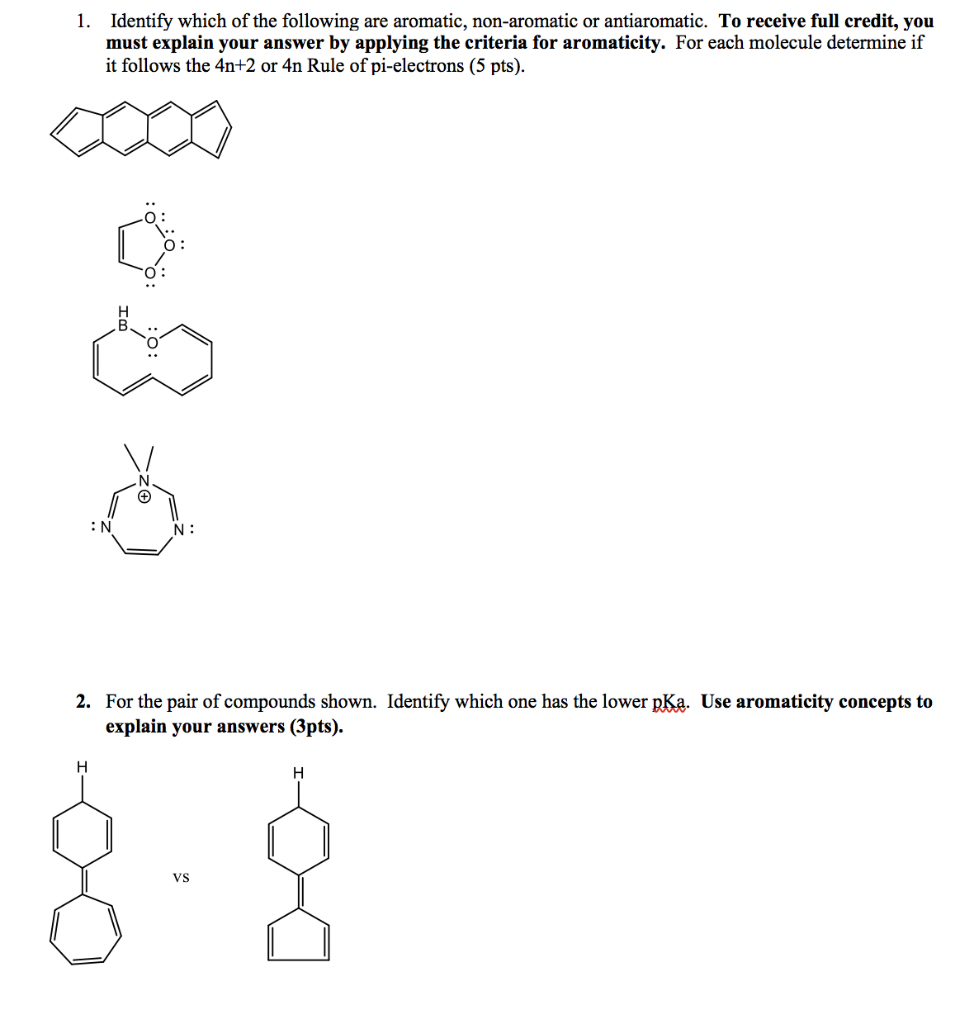
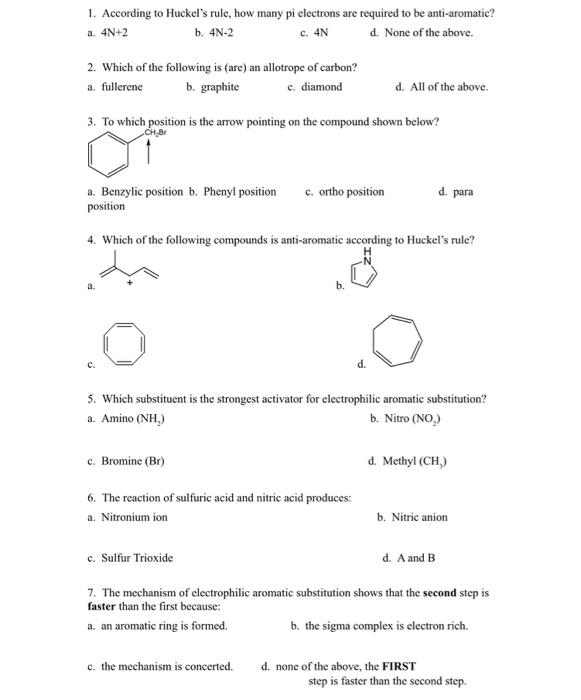
2, 6, 10, 14 etc. Another example is formation of a carbocation, a common intermediate in substitution and. Show transcribed image text.
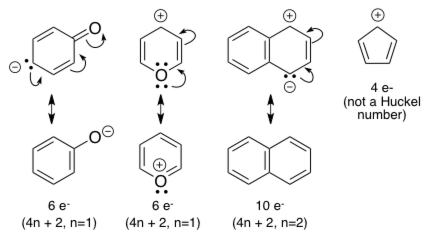
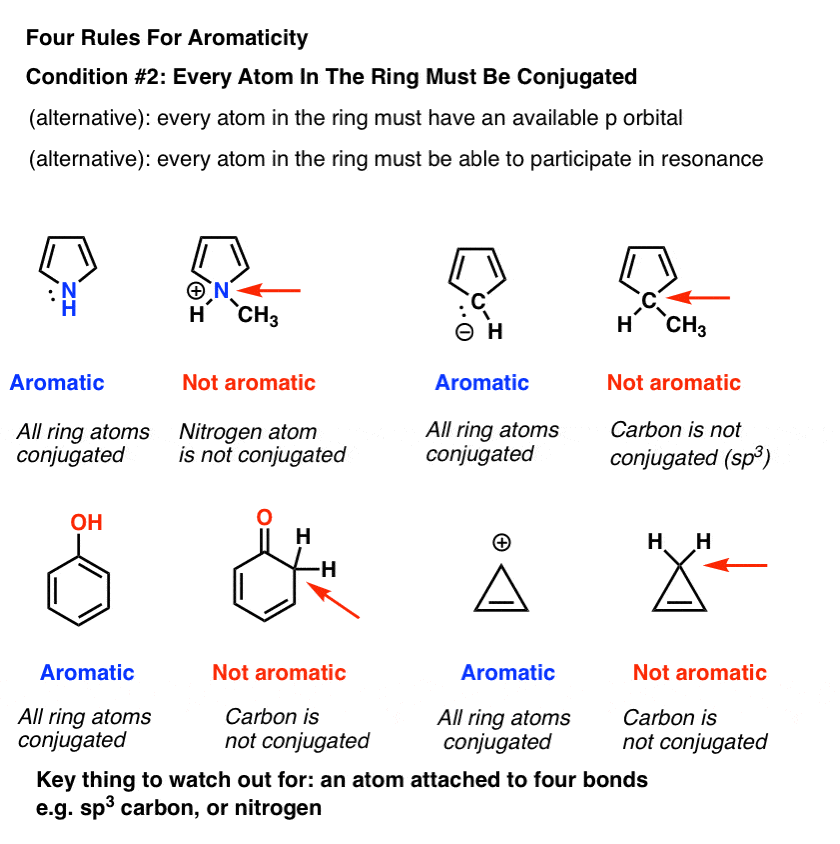
N = 1 which is a whole number. 6 = 4n + 2, so n=1 and thus aniline is aromatic. The molecule must be completely conjugated.
I, III and IV. The rule is generally limited to n = 0–5. Benzene is the most common aromatic molecule.
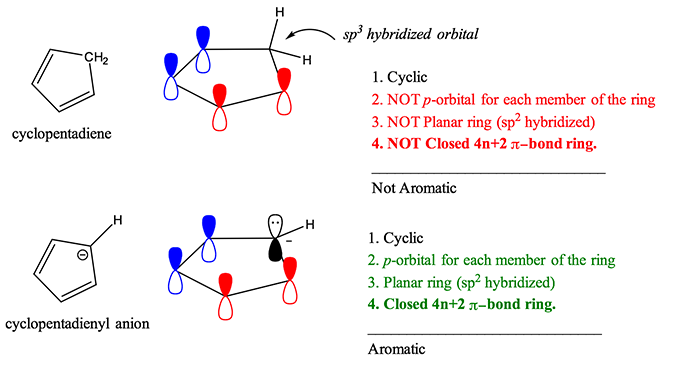
Here the options A and D are anti-aromatic. For instance, benzene is a six carbon ring structure. Consider the aromatic cyclopentadienyl anion.
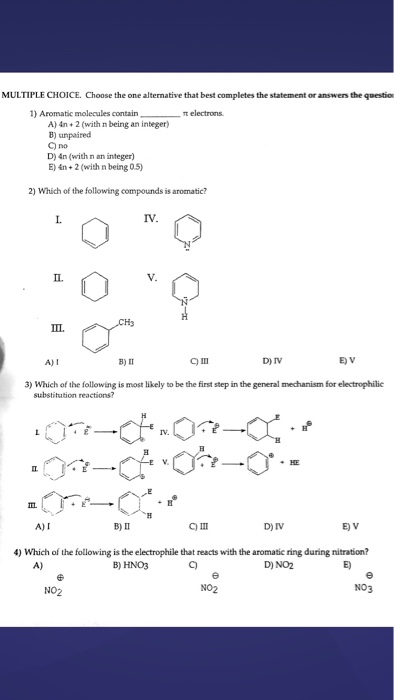
Aromatic molecules contain ___ pi electrons. It is benzene (C₆H₆). When solving for ‘n’, n must equal to a whole number.
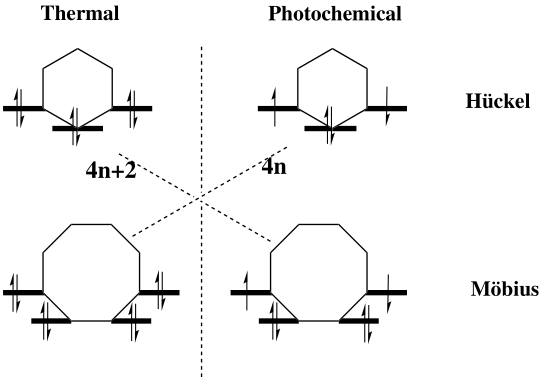
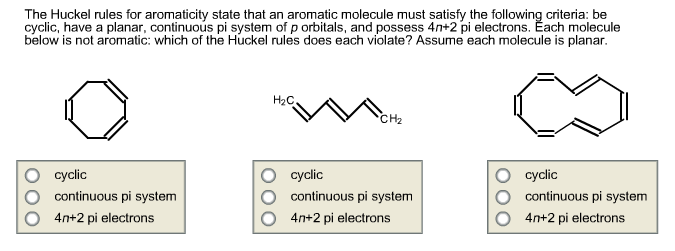
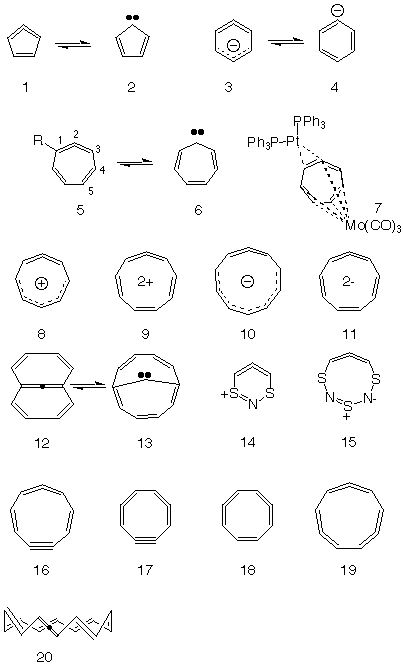
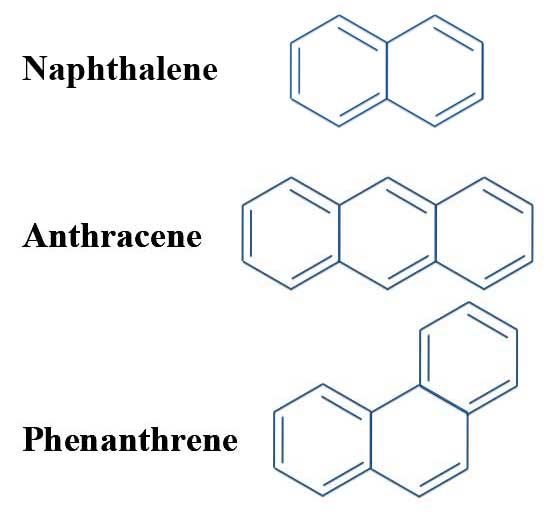
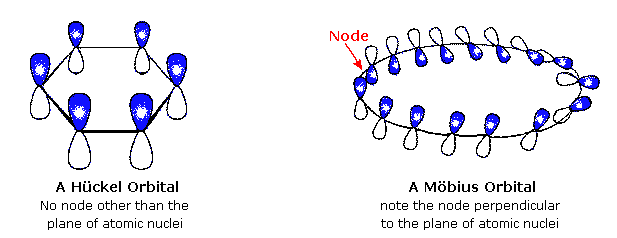
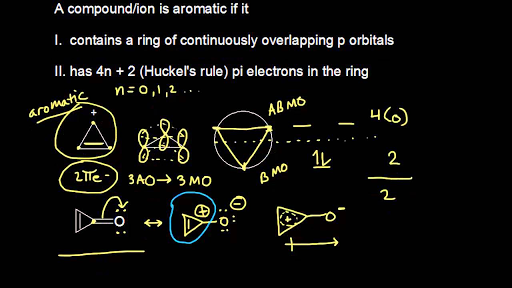
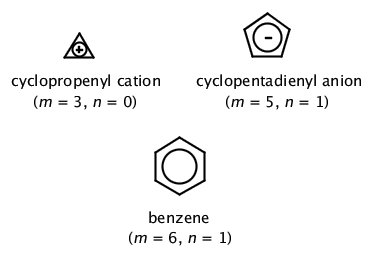
Heilbronner predicted that large annulenes incorporating a 180 ° twist of the pi-electron band would be destabilized in the 4n+2 electron case, but stabilized if occupied by 4n electrons. This is based on preservation of orbital symmetry in the highest occupied molecular orbital. The one on the right is fully conjugated and has a 4n+2 number of pi electrons (where n=0), so it’s aromatic.
Planar, in an SP2 hybridized orbital, over every atom of the ring;. He is the creator of the popular Organic Chemistry Help!. 4n pi electrons in a ring.
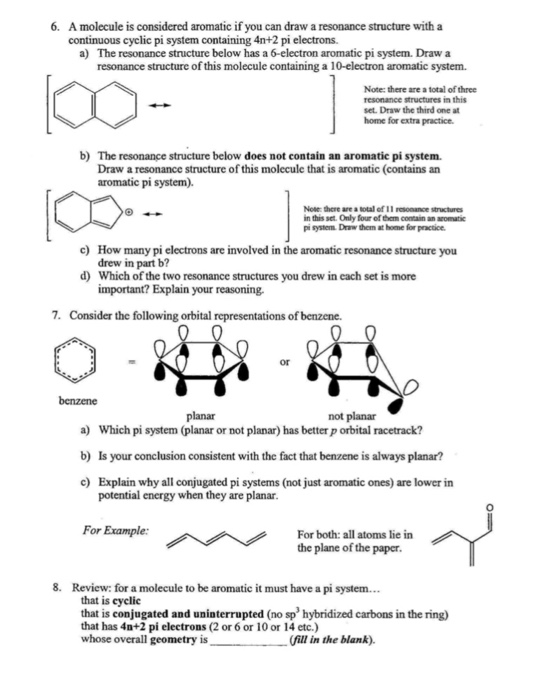
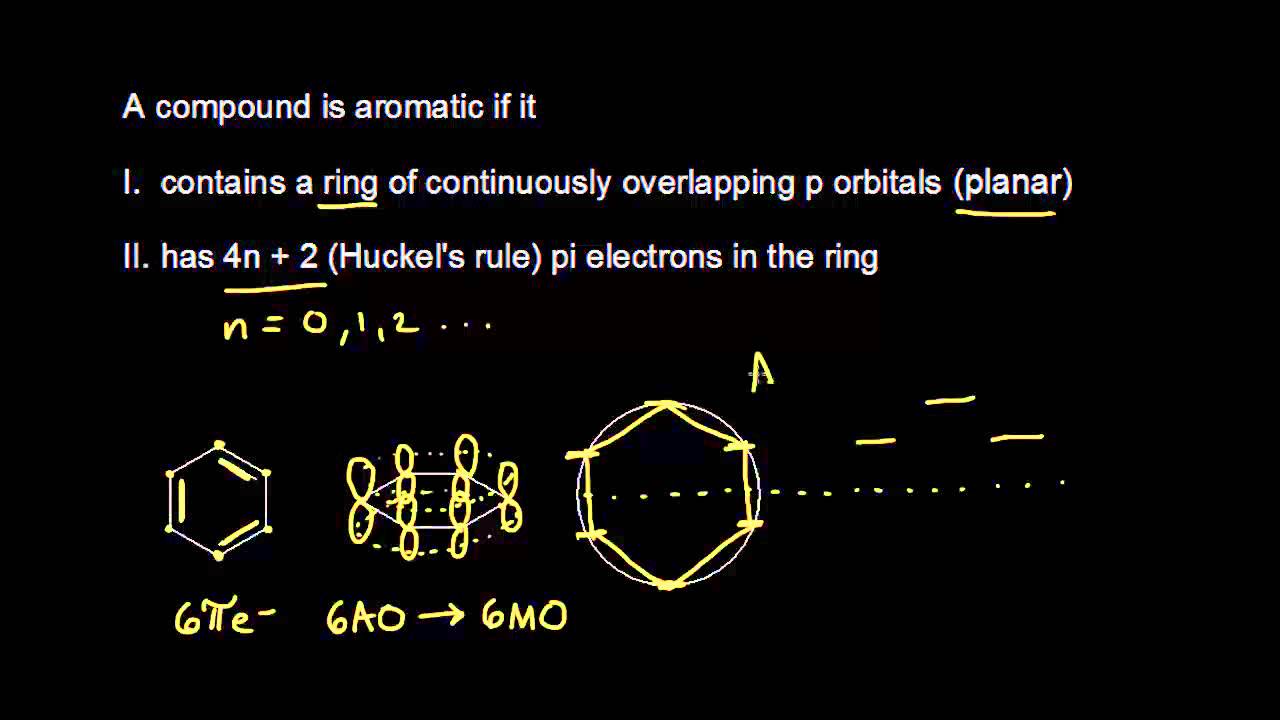
According to MO theory, the pi electrons of benzene occupy three molecular orbitals, y 1, y 2, and y 3, all of which are lower in energy than an electron in an isolated p orbital.The linear combination of p orbitals that generates y 1 extends over all six carbon nuclei. I and II B. The molecule must be planar.
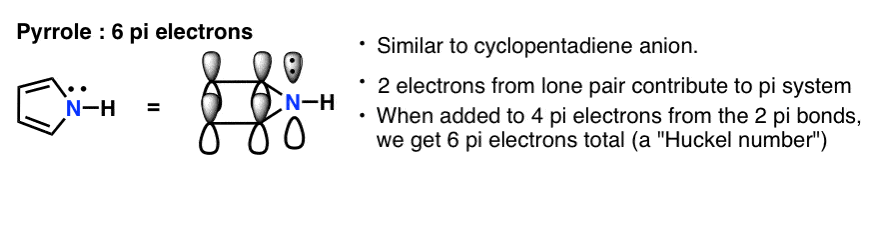
CHECK ALL That Apply* Total Of 4n+2 Pi Electrons, Where N Is A Whole Number Cyclic Planar Fully Conjugated Is This Compound Aromatic?. In order for pyrrole to have 6 pi electrons it needs to contribute the lone pair of electrons on its nitrogen to the aromatic ring system. The huckel rule just says (it was discovered empirically, later confirmed by calculations ) that all systems with 4n+2 pi-electrons (6, 10, etc) are extremely stable and do nor behave like normal.
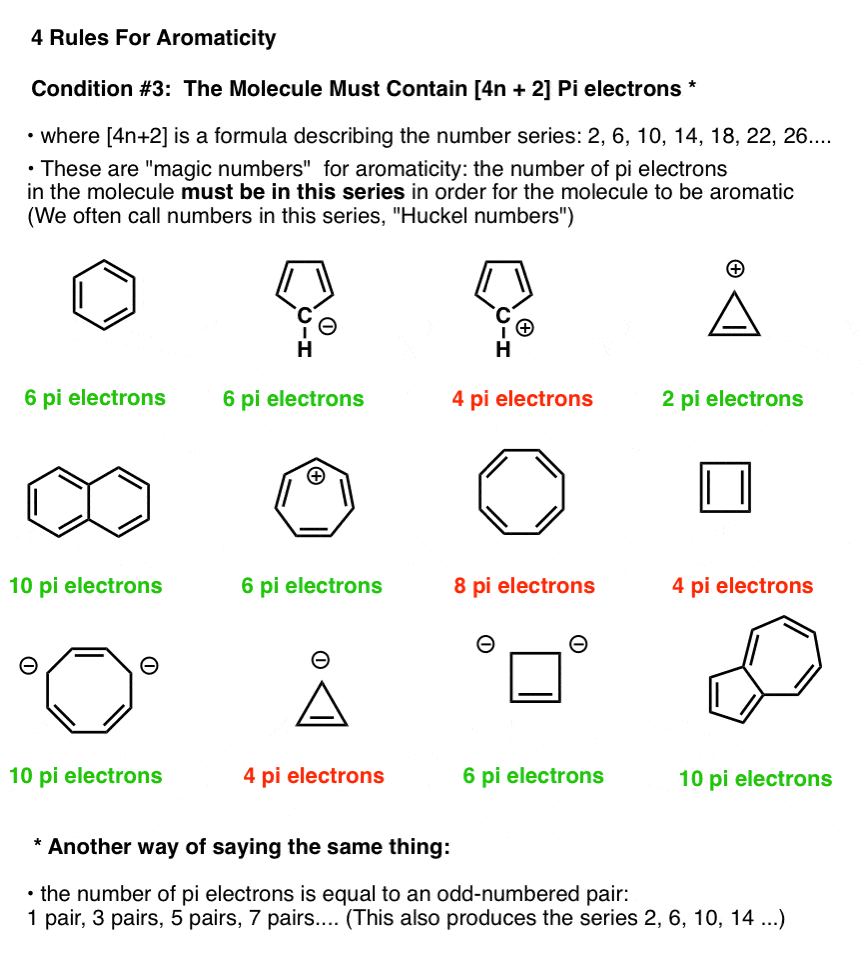
Given the structures of aromatic molecules, the number of pi-electrons has to be 2, 6, 10, 14, 18, 22, etc. Each atom in the. This is because all aromatic compounds must follow Huckel's Rule, which is 4n+2.
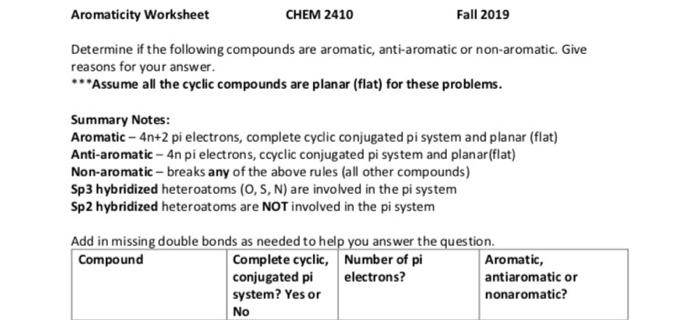
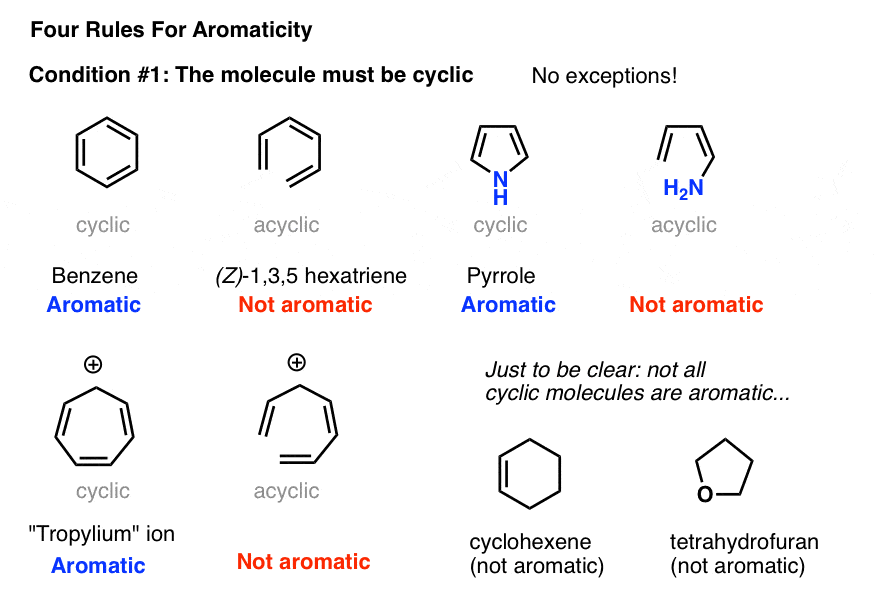
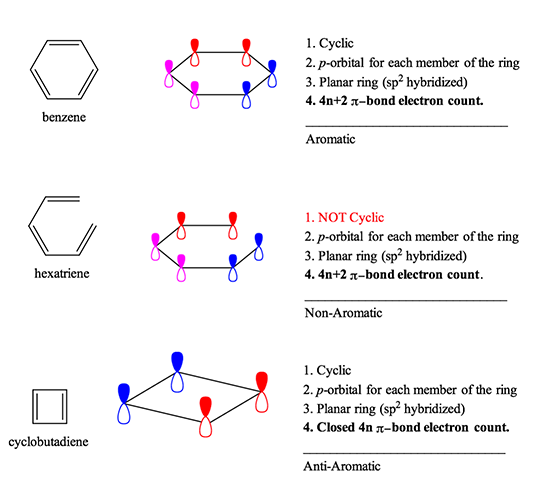
Another way to put the 4n+2 rule is that if you set 4n+2 equal to the number of electrons in the pi bond and solve for n, you will find that n will be a whole number. -The condition that aromatic molecules must h ave 4n+2 pi (π) electrons is sometimes calle d “ Hu ckel’s rule ”. Both an aromatic and anti-aromatic compound are cyclic, planar, and completely conjugated.
Q The 4n+2 Rule is also sometimes called the Huckel Rule. All the ring atoms must be carbons. I, II, and III D.
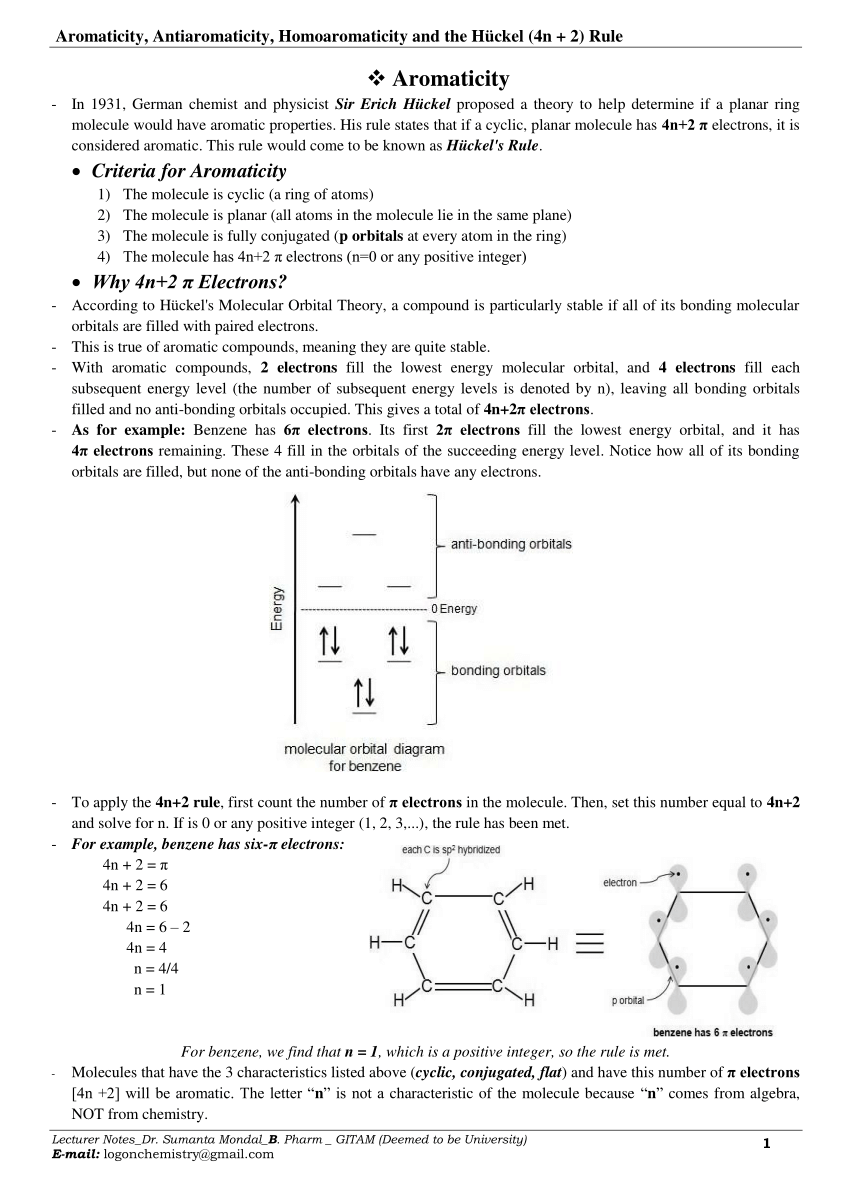
Hückel's 4n+2 rulen is equal to 0 or any integer. To be aromatic, there have to be (4n+2) pi-electrons in a planar delocalised cyclic system (where n is a positive integer). In 1931, German chemist and physicist Erich Hückel proposed a theory to help determine if a planar ring molecule would have aromatic properties.
Examples of aromatic compounds:. These reactions are usually categorized by the following criteria:. If we get a fraction then the molecule DOES NOT obey Huckel’s rule.
Thermal rearrangements of all conjugated systems containing 4n + 2 pi electron are stereospecific. The Huckel anti-aromaticity rules are:. If a cyclic conjugated molecule follows this rule, it is an aromatic compound.
2) Must have (4n + 2) pi Electrons (n = 1,2,3,4,) 3) Resist Addition but Prefer Substitution 4) Must Possess Resonance Energy. The Huckel 4n + 2 Pi Electron Rule A ring-shaped cyclic molecule is said to follow the Huckel rule when the total number of pi electrons belonging to the molecule can be equated to the formula ‘4n + 2’ where n can be any integer with a positive value (including zero). In 4n + 2, if we put n = any integer, then (4n) + 2 \\neq\ 8, thus it does not obey Huckel’s Rule.
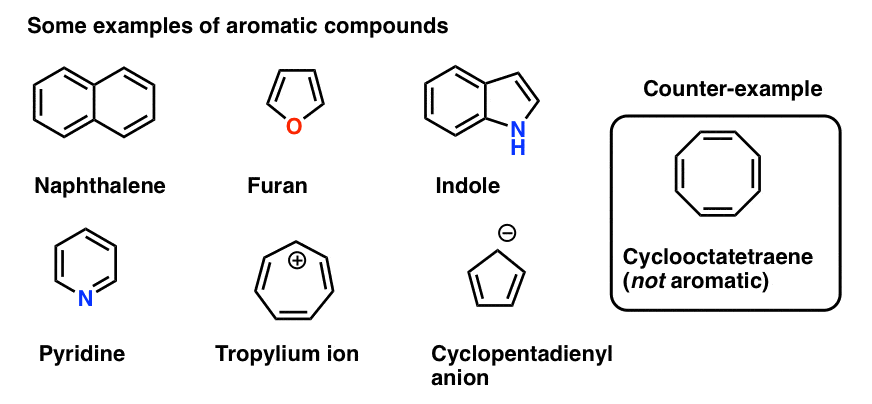
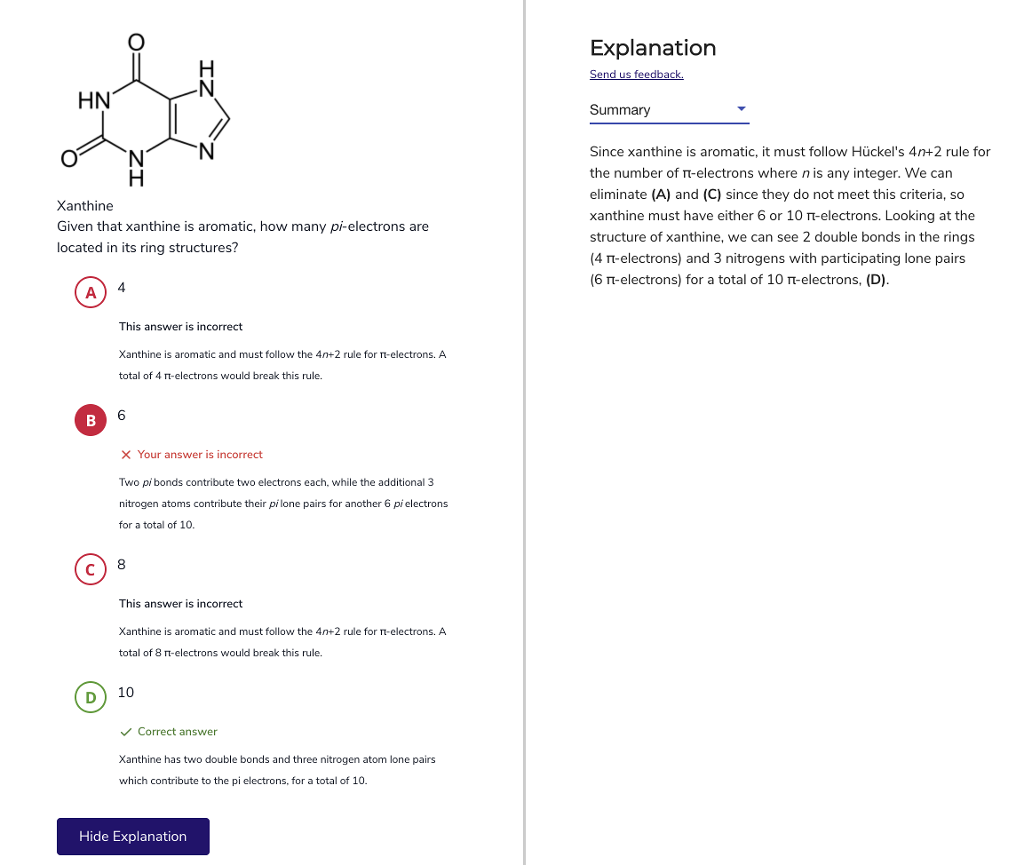
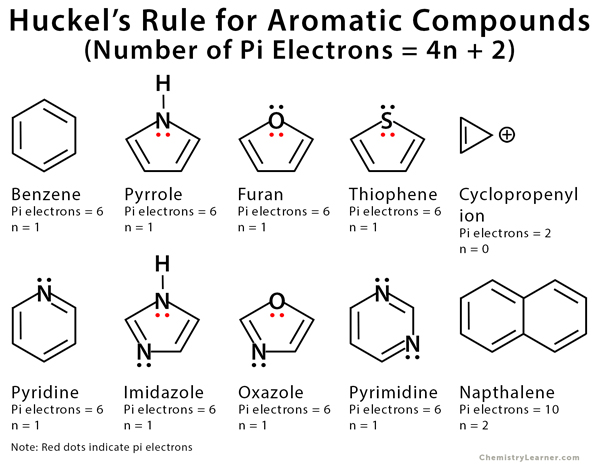
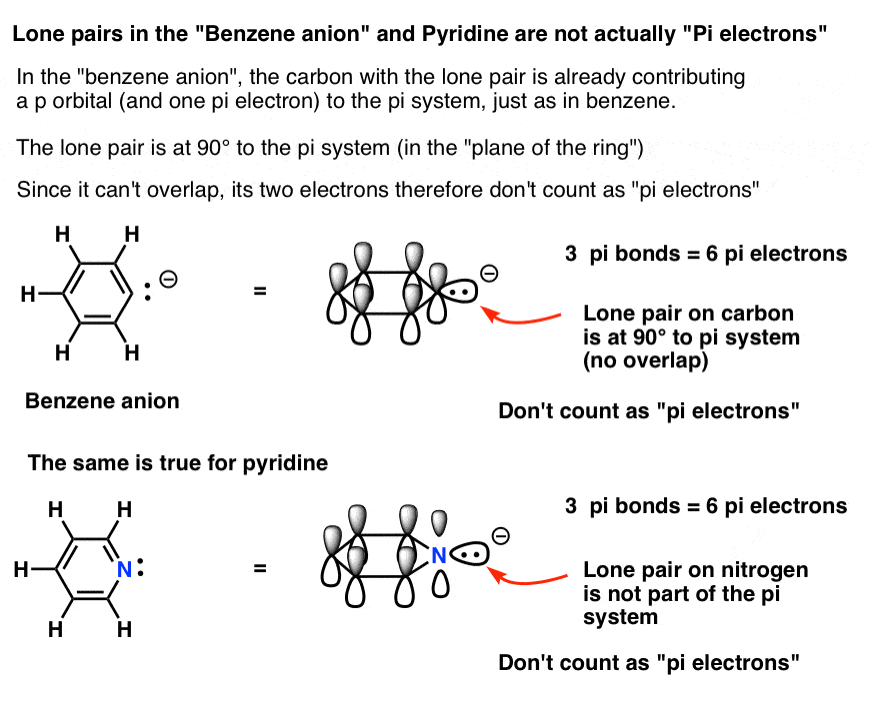
Only one of the lone pairs is actually in a pure 2p orbital perpendicular to the ring, which means those count as pi electrons. The molecule must have (4n + 2) pi electrons. The most common case in six pi electrons (n = 1) which is found for example in benzene, pyrrole, furan, and pyridine.
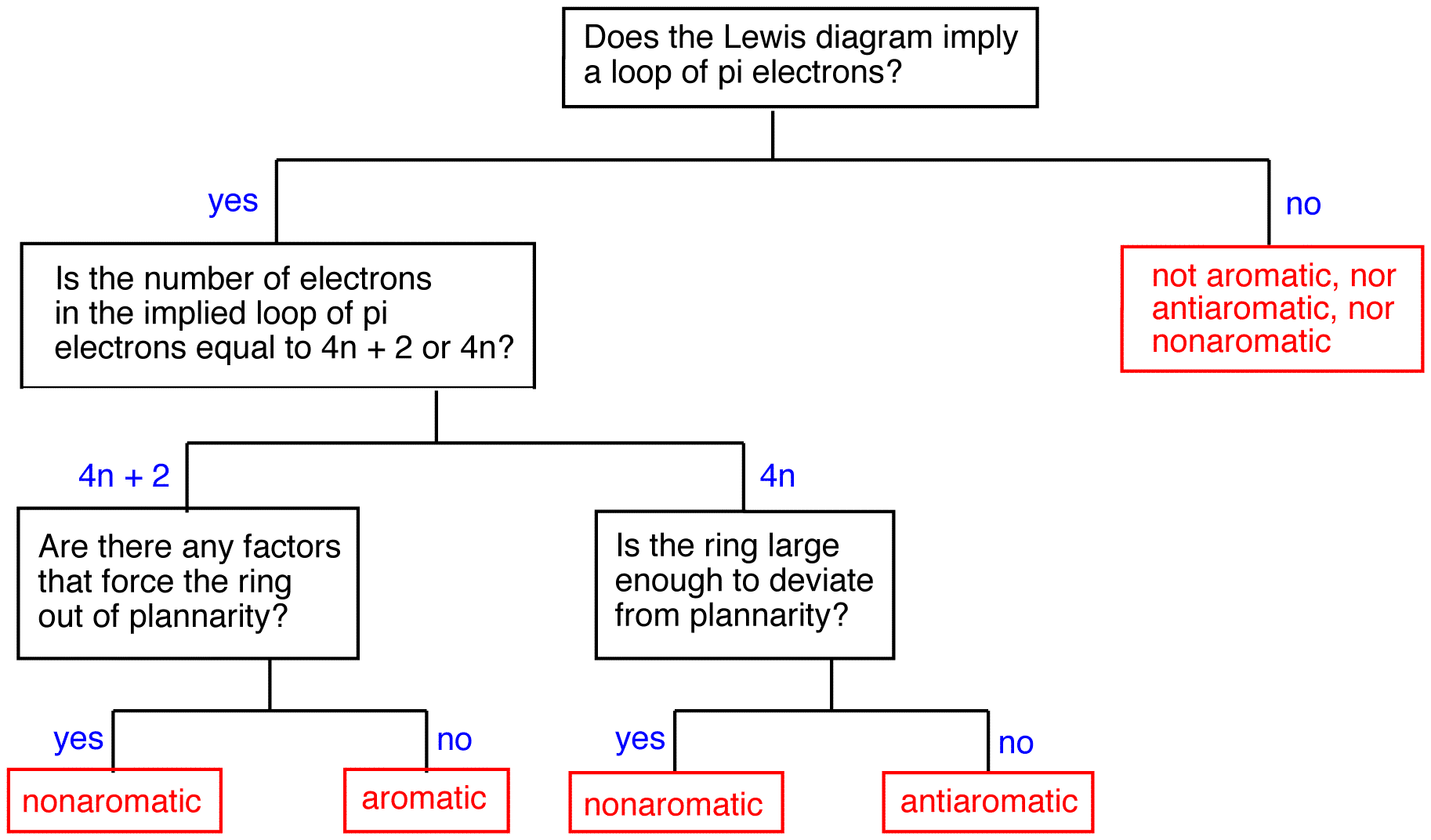
His rule states that if a cyclic, planar molecule has 4n+2 π electrons, it is considered aromatic. The one in the middle has a 4n number of pi electrons (where n=1), so it’s antiaromatic. The molecule must have 4n + 2 electrons in a conjugated system of p orbitals (usually on sp 2-hybridized atoms, but sometimes sp-hybridized);.
Have one pi orbital per atom of the ring;. N can be any non-negative whole number, including zero. (4n+2) pi electrons in the ring.
A) 4n + 2 (with n being an integer) B) unpaired C) no D) 4n (with n an integer) E) 4n + 2 (with n being 0.5) Which of the following compounds is aromatic?. -for some reason none of my organic chemistry textbooks, lectures, etc explain what N actually is, so I made this video. Aromatic compounds need to have 4n+2 pi electrons in the ring system.
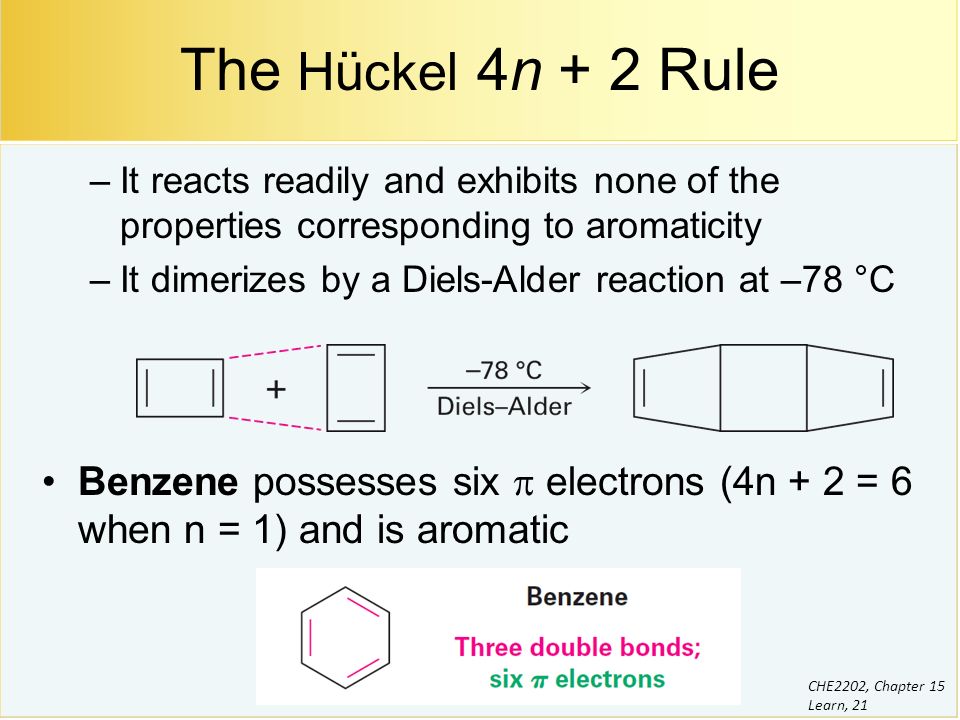
Benzene To aid in counting the electrons the following factors may help:. This question hasn't been answered yet Ask an expert. Benzene has 6 pi electrons (n = 1) so it is aromatic.
A) I B) II C) III D) IV E) V Which of the following it most likely to be the first step in the general mechanism for electrophilic substitution. This is an antiaromatic ion. Therefore, 4n + 2 = 6 and n = 1, and it follows Hückel's Rule.
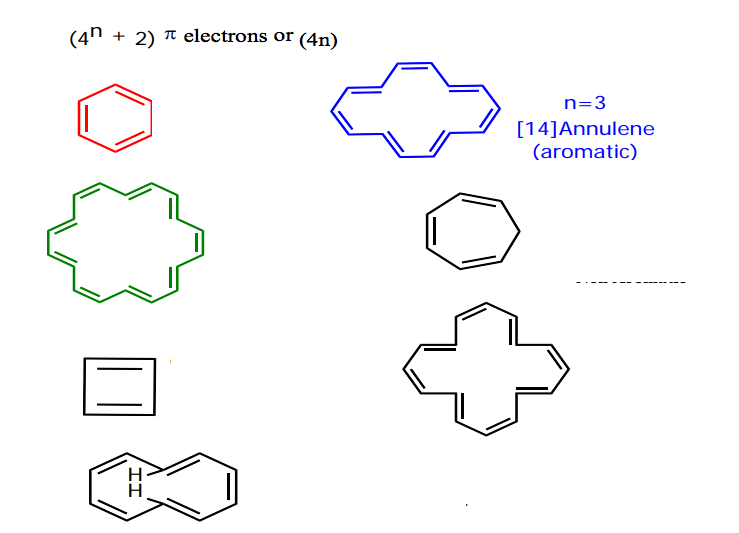
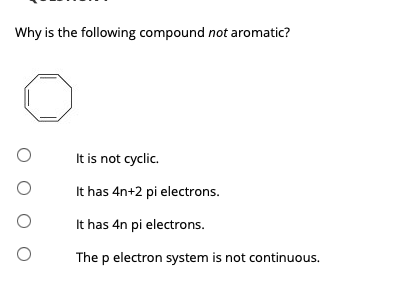
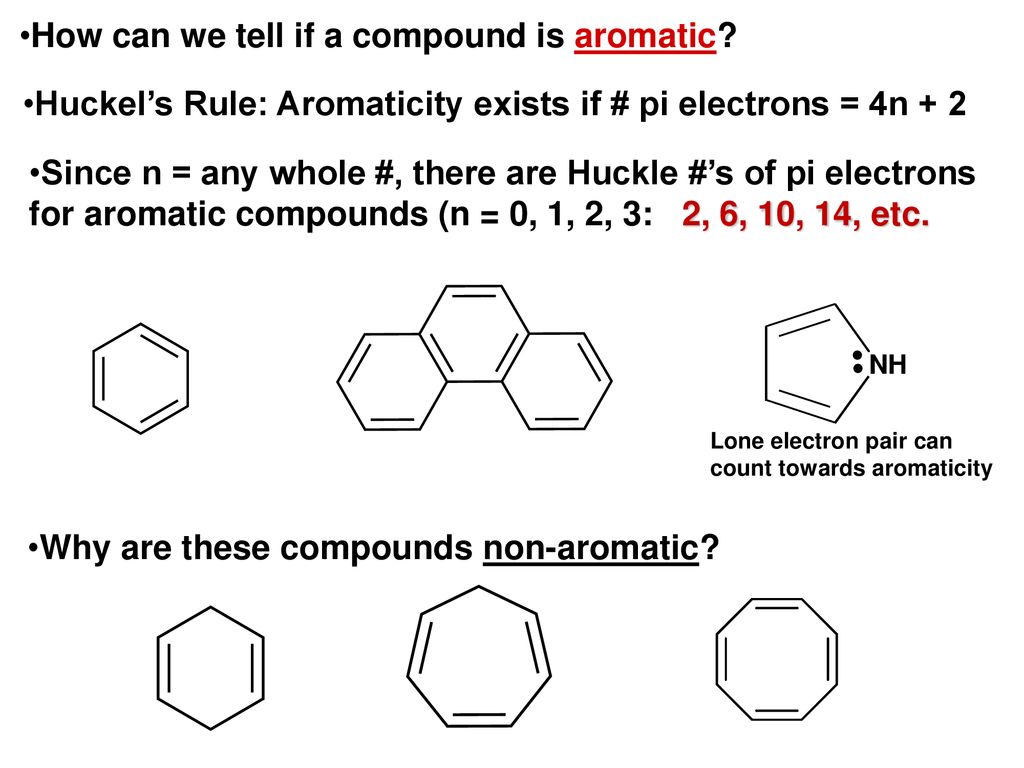
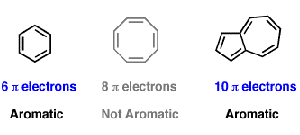
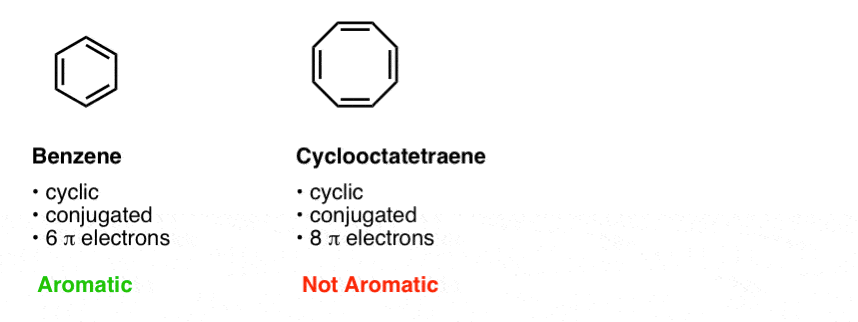
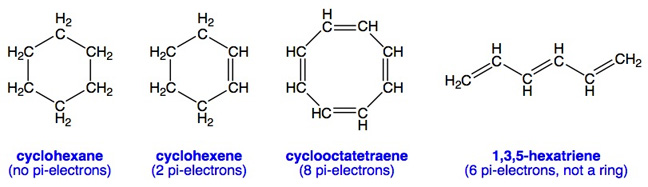
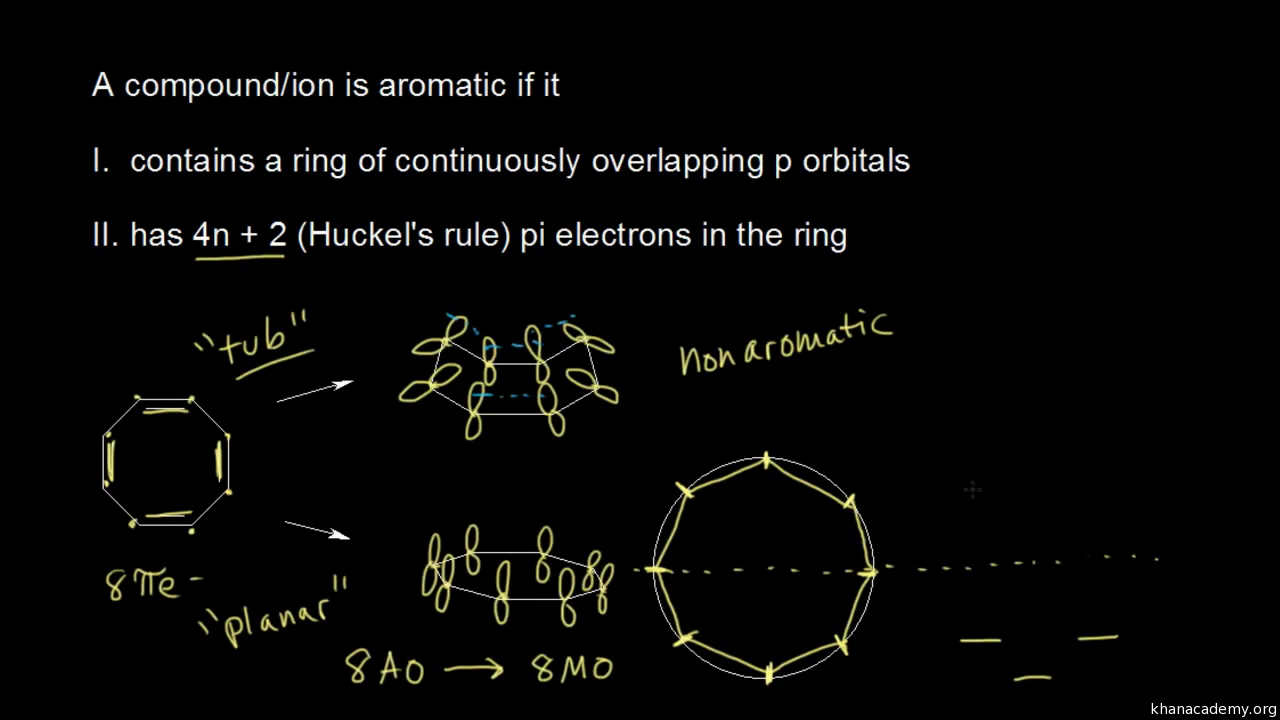
Nomenclature of Aromatic Hydrocarbons. The benzene ring is named as a phenyl group when it is a substituent. Benzene has 6 pi-electrons and (4× 1)+2 = 6, thus it obeys Huckel’s Rule while cyclooctatetraene has 8 pi-electrons 4n+2 ≠ 8, thus it does not follow Huckel’s Rule.
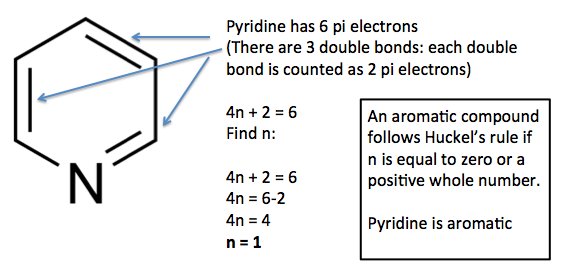
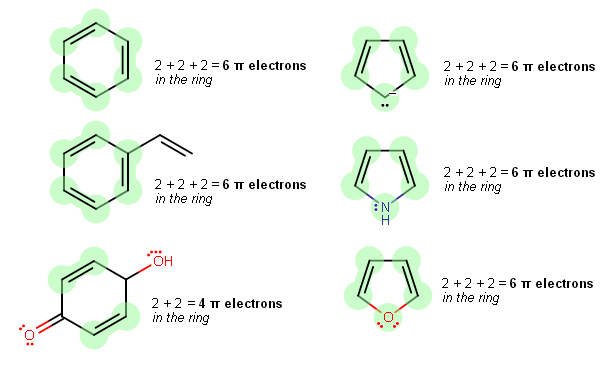
A benzene ring has 3 pi bonds thus 6 resonating electrons. Molecules must have 4n+2 pi-electrons. Systems containing 4n pi electrons show the opposite conrotatory mode.
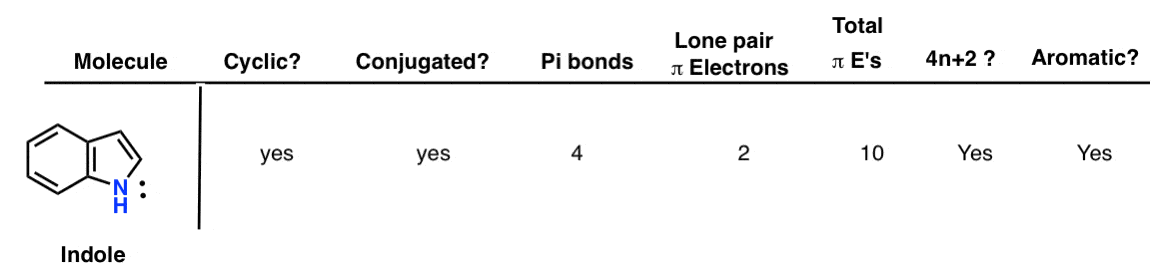
Anti Aromatic compounds are those compounds which satisfy the rules of planarity and fully conjugation of the pi electrons inside the ring but fail to satisfy Huckel's rule of 4n+2 pi electrons. Yep - you only count the pi electrons in the ring (6). To determine the number of pi electrons, determine the number of pi bonds and multiply by two.
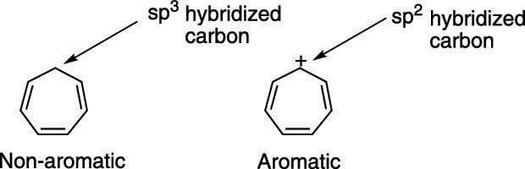
The lone pair of electrons assumes a sp2 hybridized orbital, making the molecule planar, adding 2 more electrons to the ring to give 4n+2 pi-electrons and creating the 5th pi orbital necessary to complete Huckel’s Rule and results in an aromatic ion. Anti-aromatic compound contains 4nπ electrons. Each atom in the cyclic, conjugated system must contribute a p orbital to the π system.
About the Book Author Arthur Winter received his PhD in chemistry from the University of Maryland. Without getting into specifics, in general I will say:. The two electrons that occupy y 1 experience the Coulombic attractions exerted by all six nuclei.
All compounds must obey Huckel’s Rule i.e. Substituents on aromatic rings with lone pairs on the ring-attaching atom are ortho-para directors. A cyclic ring molecule follows Huckel's rule when the number of its pi electrons equals 4n+2 where n is zero or any positive interger (although clearcut examples are really only established for.
Aromatics have 4n + 2 pi electrons;. Simply put, Huckel’s rule for aromaticity states that a monocyclic system will be aromatic if there are 4n + 2 delocalised electrons, (n an integer) contained within it. The correct answer is (8) Annulene.
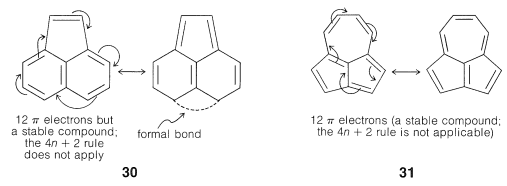
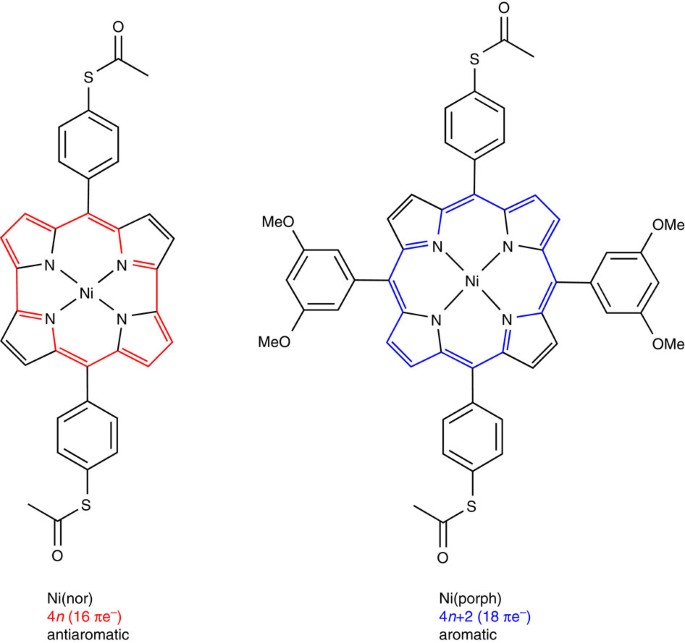
This means that we can now draw up three categories for molecules according to the following criteria:. Anti-aromatic compounds have 4n pi electrons. Similar annulenes having 4n pi-electrons have been termed "antiaromatic".
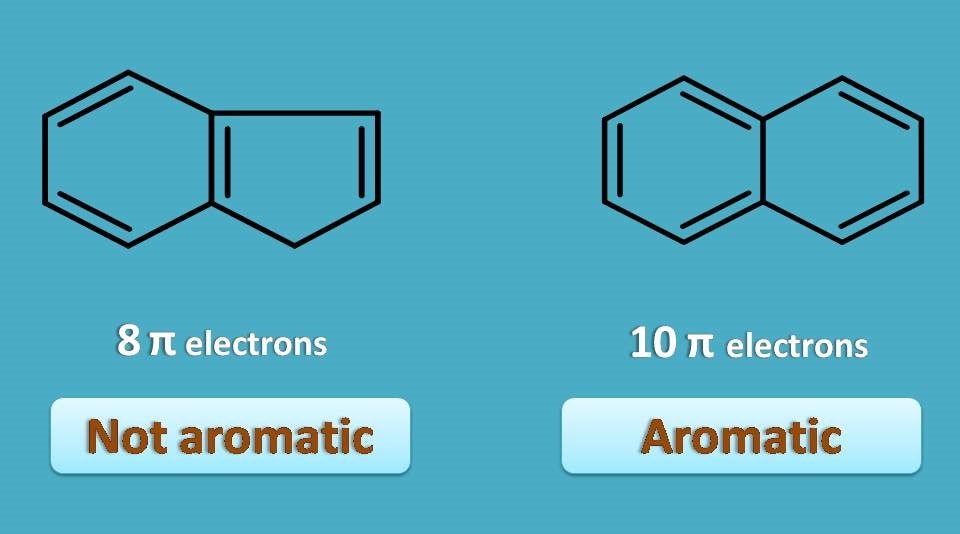
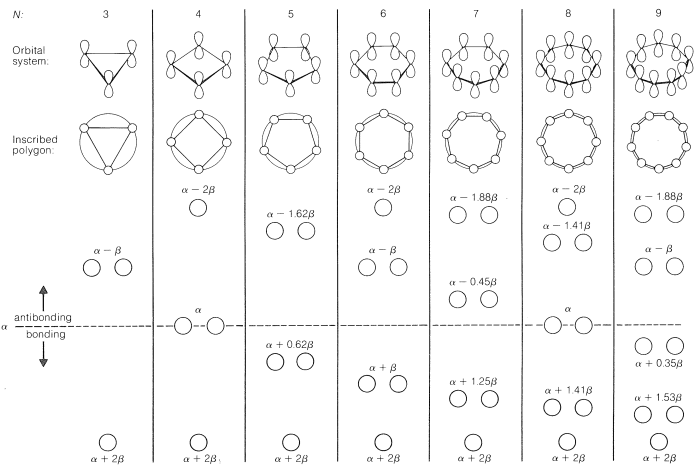
Huckel arrived at this rule by performing molecular orbital calculations on cyclic systems containing x carbon atoms, and with each carbon atom supplying one pi electron. (image will be uploaded soon) (Number of pi- electrons = 8 as it has 4 pi- bonds, So, for any value of ‘n’, 4n+2 cannot be equal to 8.). 4n+2 = 6 Solve for n.
Have a closed loop of 4n+2 pi-bond electrons, where n is equal to any integer (0,1,2,3,…) However, anti-aromatic compounds have an unusual INSTABILITY to them. Rocketbooster, I know the recent mcat question to which you refer in your post. Reactions can be either photochemical or thermal.;.
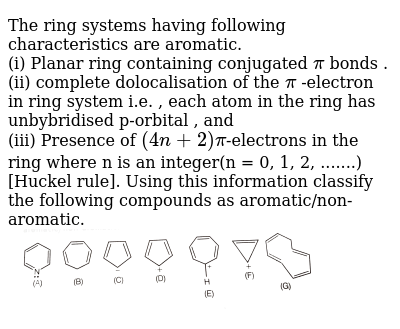
Basically it states that if a compound possesses 4n+2 pi electrons (where n can be an integer greater than or equal to zero--i.e., 0,1,2,), it is aromatic, PROVIDED that the compound is cyclic, planar, and has an unhybridized p orbital on every atom in the ring structure. Benzene is the most common aromatic parent structure. A system with delocalized pi electrons in a ring.
This organic chemistry video tutorial shows you how to tell if a compound is aromatic, antiaromatic or nonaromatic by using huckel's rule / number of 4n+2 pi. In organic chemistry, an electrocyclic reaction is a type of pericyclic rearrangement where the net result is one pi bond being converted into one sigma bond or vice versa. Aromaticity , Antiaromaticity, Homoaromaticity and the Hückel (4n + 2) Rule.
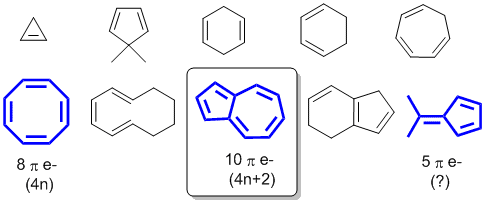
This rule would come to be known as Hückel's Rule. What is the correct assignment of the names of the following aromatic heterocycles?. N=1 if aromatic should have 6 pi electrons n=2 if aromatic should have 10 pi electrons.
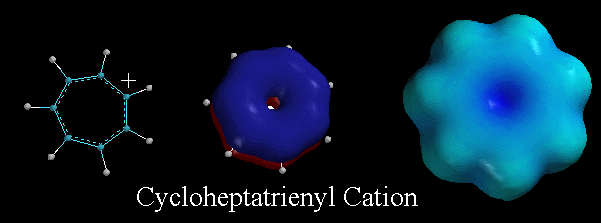
Such cyclic, conjugated systems are sometimes referred to as aromatic. I and IV C. Hückel’s Rule dictates a flat ring with 4n + 2 π (pi) conjugated electrons.
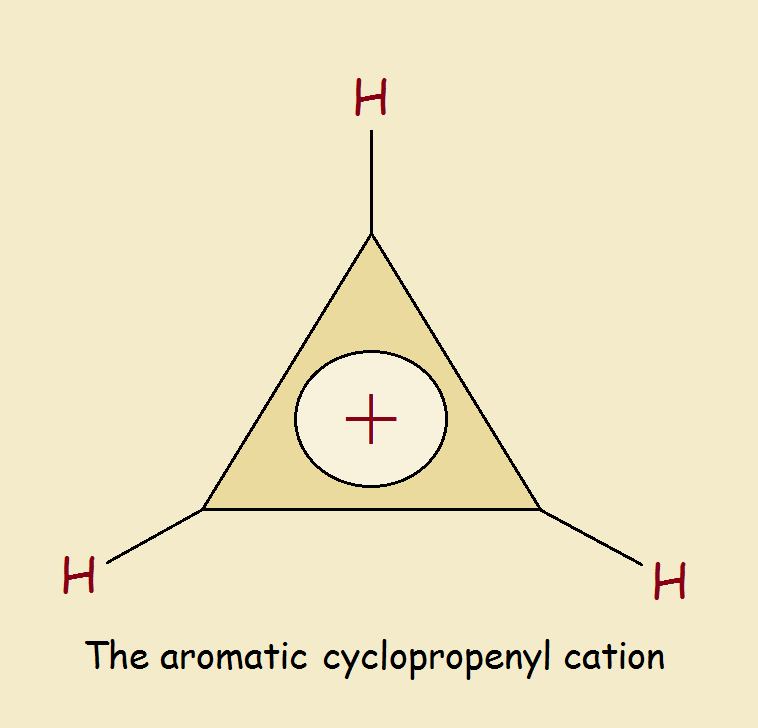
Heterocyclic aromatic anions with 4n + 2 .pi.-electrons. The smallest neutral ring with these qualifications has n = 1. However, resonance stabilization rises to its highest level when not only are equivalent structures available, but the conjugated system is cyclic and has 4n+2 pi electrons in the cyclic system.
So, benzene is aromatic and cyclooctatetraene is a non-aromatic compound. His rule states that if a cyclic, planar molecule has 4n+2 π electrons, it is considered aromatic. Reactions can be either ring-opening or ring-closing (electrocyclization).
The molecule must be (close to) planar (p orbitals must be roughly parallel and able to interact, implicit in the requirement for conjugation);.

What Is An Aromatic Compound Definition Example Video Lesson Transcript Study Com
13 6 Aromaticity Organic Chemistry Ii
Rules For Aromaticity The 4 Key Factors Master Organic Chemistry
4n+2 Pi Electrons のギャラリー
Aromatic Compounds Who Really We Are
Q Tbn 3aand9gcrku6lzwsjio7z1ncmdz Rz6c2uk65syj57ufiqkgu Usqp Cau
Pericyclic Reaction Selection Rules

Benzene And Aromaticity
Solved The Huckel Rules For Aromaticity State That An Aro Chegg Com

Solution The Number Of P Electrons Presen Clutch Prep

What Is An Aromatic Compound Definition Example Video Lesson Transcript Study Com
How Is Anthracene Aromatic Quora

Illustrated Glossary Of Organic Chemistry Term

Which Of The Following Structures Qualify As Being Aromatic According To Huckel S Rule Homeworklib

Aromatic Stability Ii Video Khan Academy
Multiple Choice Answers 353 Fin W17

Huckel S Rule Aromatic And Antiaromatic Compounds Chemistry Steps
Solved 4 N 2 Pi Electrons Or 4 N Chegg Com
Aromatic Properties Mcat Question Of The Day
Aromaticity Rules And Definition Organic Chemistry Help
The Ring Systems Having Following Characteristics Are Aromatic B

Previous Page Next Page Page 5 Of 8 Question 4 Points Which One Of The Homeworklib

Aromatic Compounds Overview Chemgapedia
Aromaticity 4 Criteria Every Compound Needs
Mobius Aromatics Arising From A C C C Ring Component

Chapter 17 Benzene And Aromaticity Ppt Video Online Download
Solved Why Is The Following Compound Not Aromatic Oit Is Chegg Com
13 6 Aromaticity Organic Chemistry Ii
1
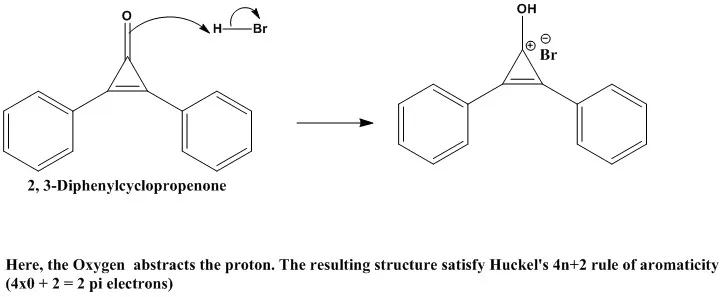
Aromatic Cyclopropenyl Cation Huckel S Smallest Example
Solved Aromaticity Worksheet Chem 2410 Fall 19 Determin Chegg Com
Huckel S Rule Organic Chemistry Video Clutch Prep
Mafiadoc Com Download Aromaticity 5c2634b3097c47a9028b45be Html
Indicate Whether Each Structure Is Aromati Clutch Prep

Aromatic Antiaromatic Or Nonaromatic Huckel S Rule 4n 2 Heterocycles Aromaticity Youtube
Huckel S Rule What Does 4n 2 Mean Master Organic Chemistry
Antiaromaticity And Antiaromatic Compounds Master Organic Chemistry
Aromatic Antiaromatic Or Non Aromatic 13 Worked Examples
.jpg?revision=1)
15 4 Aromaticity And The Huckel 4n 2 Rule Chemistry Libretexts
How To Determine The Aromaticity Of A Ring System Dummies
Huckel S Rule Organic Chemistry Video Clutch Prep
Solved Please Help Me Solve These 3 Questions Also For Chegg Com
Rules For Aromaticity The 4 Key Factors Master Organic Chemistry
Aromatic Stability Iii Video Khan Academy
Benzene And Aromaticity Ppt Video Online Download

What Is The Difference Between Anti Aromatic And Non Aromatic Species Quora

Phenanthrene Is Antiaromatic
Highly Conducting Molecular Circuits Based On Antiaromaticity Nature Communications
Solved 1 Identify Which Of The Following Are Aromatic N Chegg Com
What Are Aromatic Compounds Socratic

Chemistry Huckel S Rule 4n 2 Rule In Order To Be Facebook

Aromaticity Rules Cssac
Solved Can Someone Further Explain This To Me Please I D Chegg Com
Q Tbn 3aand9gcsd3ah2vdmhe7uydhdx6apoxlogkcmi2fl06j52sg1i2jna0doq Usqp Cau
4n 2 Rule Youtube

Why Is Cyclopropene Non Aromatic Quora
Solved Aromatic Molecules Contain Pi Electrons A 4n Chegg Com

Quantum Chemistry 14 4 Huckel S Rule Youtube
How Do You Count Pi Electrons In Aromatic Compounds Socratic
Ch 14 2 Characteristics Of Benzene Ppt Download
Rules For Aromaticity The 4 Key Factors Master Organic Chemistry
Oneclass 2 3 Diphenylcyclopropenone See Structure Below Forms An Addition Product With Hbr That E
Solved 1 According To Huckel S Rule How Many Pi Electro Chegg Com

Identifying Aromatic Compounds Organic Chemistry

Oneclass 1 Classify The Following Compounds As Aromatic Antiaromatic Or Nonaromatic 8 Points P

Aromatic Antiaromatic Or Nonaromatic Huckel S Rule 4n 2 Heterocycles Aromaticity Youtube
Huckel S Rule Definition Formula And Examples
What Is N In 4n 2 Huckel S Rule
Aromaticity Wikipedia

Rules For Aromaticity Flashcards Quizlet
Is Tropone Aromatic Chemistry Stack Exchange
13 6 Aromaticity Organic Chemistry Ii

Mobius Aromaticity Wikipedia
Huckel S Rule For Aromaticity Time Saving Shortcut Youtube

Illustrated Glossary Of Organic Chemistry Term
Aromatic Antiaromatic Or Non Aromatic 13 Worked Examples
Solved Figure 2 Not All Cyclic Conjugated Pi Systems Are Chegg Com
Q Tbn 3aand9gcs8smsora Trvtohxudgi3ekggh Hv5amdlsormf8wixosz8nms Usqp Cau

Quantum Chemistry 14 4 Huckel S Rule Youtube
Huckel S Rule What Does 4n 2 Mean Master Organic Chemistry
Rules For Aromaticity The 4 Key Factors Master Organic Chemistry
The Msds Hyperglossary Aromatic
21 10 Huckel S 4n 2 Rule Chemistry Libretexts
Pdf Aromaticity Antiaromaticity Homoaromaticity And The Huckel 4n 2 Rule
Huckel S Rule What Does 4n 2 Mean Master Organic Chemistry
Rules For Aromaticity The 4 Key Factors Master Organic Chemistry

Huckel Aromaticity And Frost Circles Organic Chemistry Help
The Problem With Pyrene Michael J S Dewar To The Rescue
A Mobius 16 Pi Electron System
Rules For Aromaticity The 4 Key Factors Master Organic Chemistry
Rules For Aromaticity The 4 Key Factors Master Organic Chemistry

Directivity And Ring Activation Deactivation Ppt Video Online Download
Pictures Of The Day
Aromaticity Rules And Definition Organic Chemistry Help
Aromatic Stability I Video Khan Academy

Indeno 1 2 B Fluorene Based 2 2 Cyclophanes With 4n 4n And 4n 4n 2 P Electrons Syntheses Structural Analyses And Excitonic Coupling Properties Wang 19 Angewandte Chemie Wiley Online Library
Aromatic Stability Iii Video Khan Academy

Illustrated Glossary Of Organic Chemistry Term

Identifying Aromatic Compounds Organic Chemistry

What Is An Aromatic Compound Definition Example Video Lesson Transcript Study Com
Rules For Aromaticity The 4 Key Factors Master Organic Chemistry

The Criteria For Aromaticity Mcc Organic Chemistry
Iupac Huckel 4 Em N Em 2 Rule H
Aromatic Stability Ii Video Khan Academy
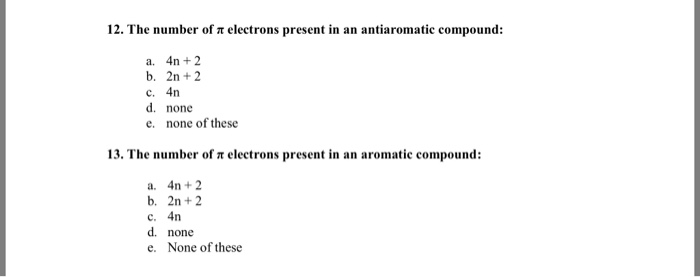
Solved 12 The Number Of P Electrons Present In An Antiar Chegg Com


